IoT Technology: Connecting Everything and Building a New Ecosystem of Intelligent Life
When your mobile phone can control the home appliances at home, when your car can feedback the vehicle condition in real time and navigate automatically, when the factory equipment can be monitored remotely and alarm automatically, when the street lights in the city can adjust the brightness automatically according to the sky — this is the intelligent life brought to us by IoT technology. The Internet of Things (IoT), namely “connecting everything”, refers to connecting various physical devices, smart homes, industrial equipment, urban facilities, etc. through sensors, communication modules, network technologies, etc., to realize interconnection, data sharing and intelligent control between devices, and build a comprehensive intelligent ecosystem.
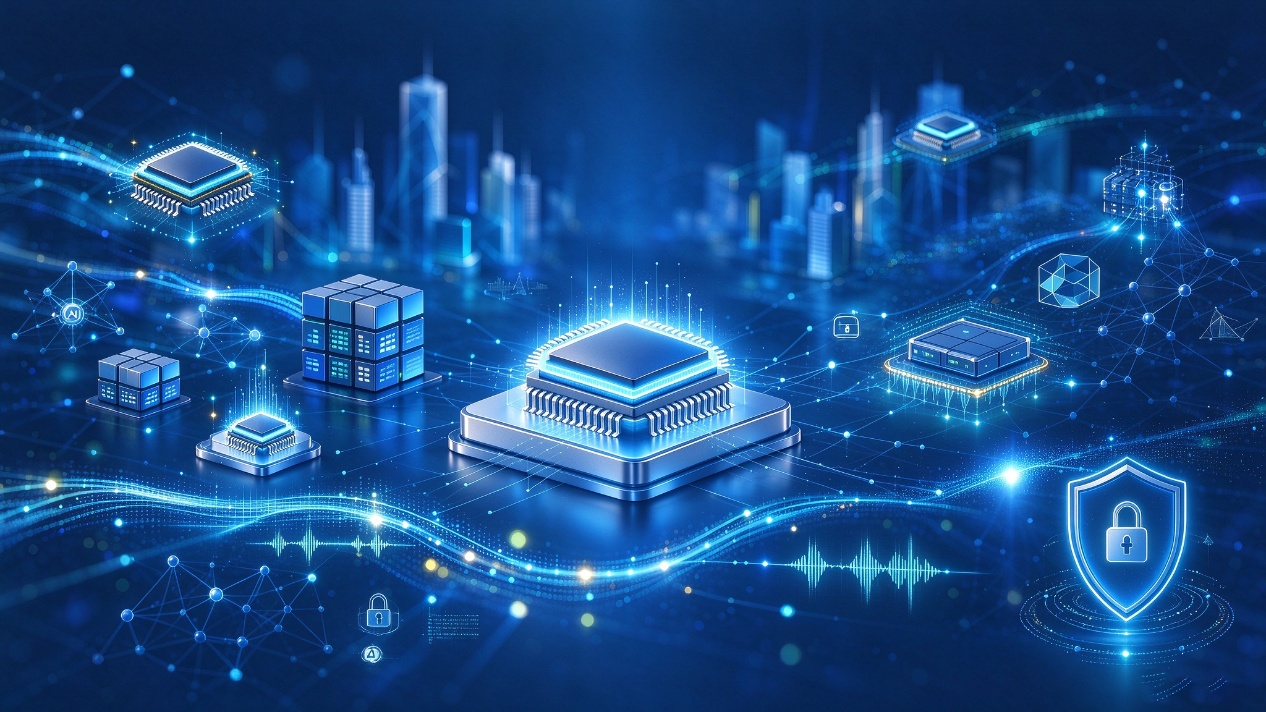
The core architecture of IoT technology is mainly divided into three layers: perception layer, network layer and application layer. The perception layer is the “eyes and ears” of the IoT, mainly composed of sensors, two-dimensional codes, RFID and other devices. It is responsible for collecting various data of the physical world, such as temperature, humidity, pressure, position, etc., and converting physical signals into digital signals; the network layer is the “neural network” of the IoT, mainly responsible for transmitting the data collected by the perception layer to the cloud or terminal devices. Relying on communication technologies such as 5G, WiFi, Bluetooth and Narrowband IoT (NB-IoT), it realizes fast and stable data transmission; the application layer is the “brain, hands and feet” of the IoT, mainly responsible for analyzing and processing the transmitted data, realizing intelligent control of devices and the landing of various application scenarios, covering various fields such as smart home, intelligent industry, smart city and intelligent transportation.
Smart home is the closest application scenario of IoT technology to our life and the most mature field at present. Through IoT technology, home appliances, lights, security and other devices at home can realize interconnection and form an intelligent linkage system. For example, you can turn on the air conditioner in advance through the mobile APP to enjoy a comfortable temperature when you get home; when you get home at night, the lights will turn on automatically and the curtains will close automatically; after going out, the security equipment will start automatically, monitor the safety status at home in real time, and send you an alarm message in time if there is any abnormality. The emergence of smart home not only improves the convenience of our life, but also saves energy, making our life more low-carbon and environmentally friendly.
In the industrial field, IoT technology has promoted the development of “Industry 4.0” and realized the transformation of industrial production towards intelligence and automation. By installing sensors and communication modules on industrial equipment, enterprises can monitor the operation status of equipment in real time, collect the operation data of equipment, analyze the potential faults of equipment, realize remote control and fault early warning of equipment, reduce equipment downtime, improve production efficiency and reduce production costs. In addition, IoT technology can also realize the whole-process monitoring and traceability of the production process, ensure product quality and enhance the core competitiveness of enterprises.
In the urban field, IoT technology has built a new form of “smart city”, making urban management more efficient and convenient. The intelligent transportation system can monitor road conditions in real time, optimize traffic signals and alleviate traffic congestion; the intelligent environmental sanitation system can monitor the garbage collection and transportation situation in real time, optimize the collection and transportation route and improve the environmental sanitation efficiency; the intelligent street lamp system can adjust the brightness automatically according to the sky and pedestrian flow to save energy; the intelligent security system can realize comprehensive urban monitoring and improve the urban safety level. The construction of smart cities makes cities more “intelligent” and makes residents’ lives more convenient and comfortable.
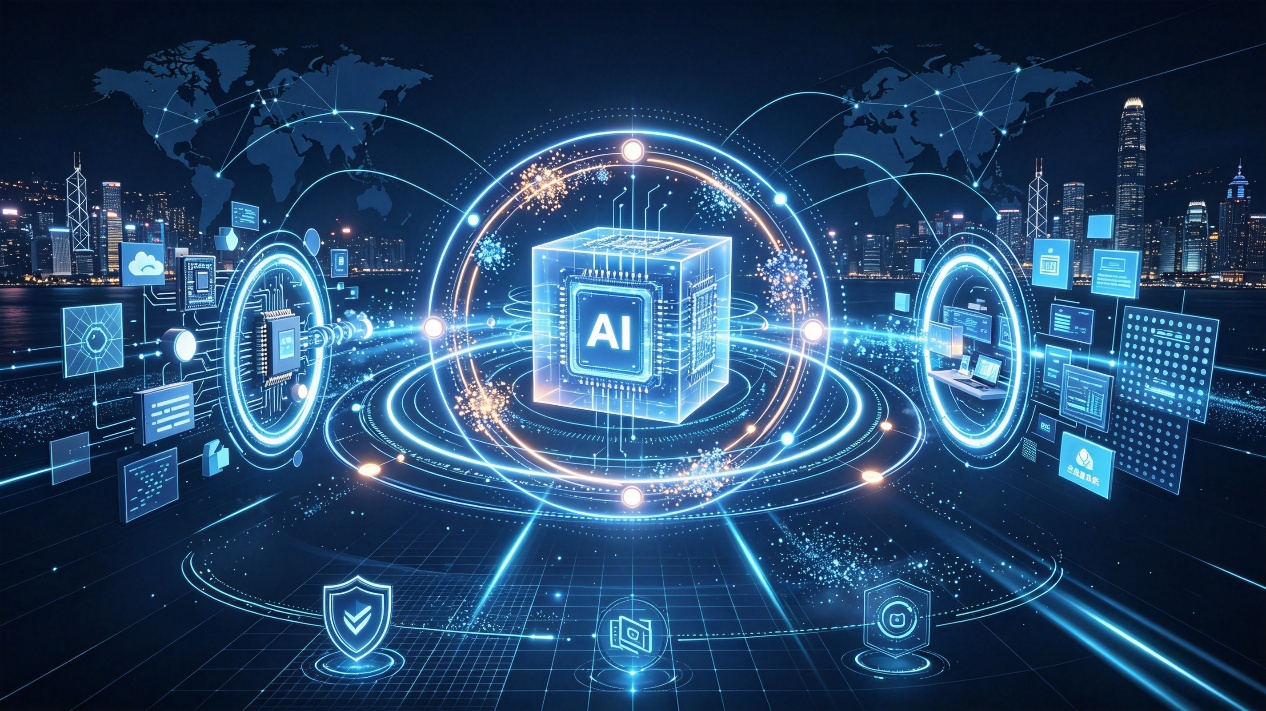
The development of IoT technology also faces some challenges: the compatibility problem of devices is prominent, and it is difficult to realize interconnection between devices of different brands and types; the problem of data security and privacy protection is becoming increasingly prominent, and the massive data collected by devices may involve personal privacy and public safety; in addition, the high energy consumption and insufficient battery life of IoT devices also limit the popularization and application of IoT technology. In the future, IoT technology will continue to break through, the compatibility of devices will continue to improve, the data security system will continue to improve, and the IoT will integrate deeply with artificial intelligence, big data, 5G and other technologies to build a more intelligent, secure and convenient new ecosystem of intelligent life, profoundly changing our way of production and life.